Japan prides itself globally as a beacon of development, discipline, and
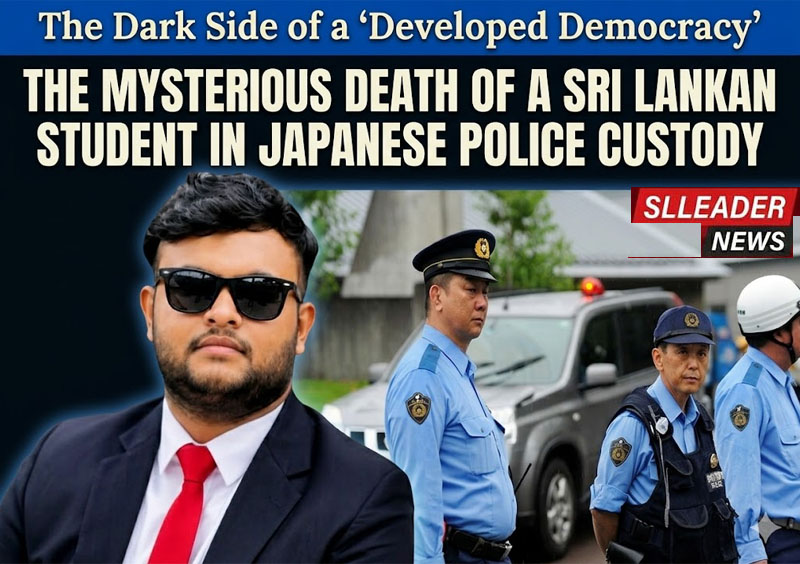
robust democratic values. However, beneath this polished international facade lies a grim, archaic, and deeply concerning reality regarding its law enforcement and detentive practices. The recent mysterious death of Vichakshana, a 22-year-old Sri Lankan student held for over three months at the Tsuchiura Police Station in Ibaraki Prefecture, has once again brought Japan’s controversial justice system under intense scrutiny.
This tragedy is not merely an isolated incident of medical neglect; it is a damning indictment of the systemic vulnerability and human rights violations faced by foreign nationals within Japan’s penal apparatus.
No Formal Indictment, No Bail: The Reality of 'Hostage Justice'
The facts of the case reveal a highly disproportionate punitive response. On February 22, Vichakshana and a female companion were detained following a shoplifting allegation made by a local store owner. Crucially, the prosecution repeatedly deferred the case due to a lack of substantiating evidence capable of securing a conviction.
Detaining an unconvicted suspect in a police holding cell (Dai-san Keisatsukan) for over ninety days without a formal indictment violates fundamental principles of due process recognized by civilized societies. This case bears all the hallmarks of what international jurists and human rights organizations condemn as Japan’s "Hostage Justice System" (Hitojichi Shihou). Under this system, suspects are subjected to prolonged, isolating detention specifically designed to break their psychological resolve and coerce confessions, often with severely restricted access to legal counsel and bail.
"They Just Don't Care": A Case of Fatal Neglect
Testimonies from the deceased student’s sister, Satyani Shakya, paint a chilling picture of systemic indifference. As weeks turned into months, Vichakshana’s physical health rapidly deteriorated. He repeatedly complained of severe headaches and debilitating chest pains.
According to his sister, when she urged him to demand medical attention from the guards, his desperate final words were: "They just don't care. No matter how many times I tell them, they ignore it."
This administrative apathy is a grave violation of the State's duty of care. When an individual is deprived of their liberty, the detaining authority assumes absolute responsibility for their health and physical safety. Denying timely and adequate medical intervention to a detainee on the basis of nationality or legal status borders on institutional manslaughter.
Institutional Secrecy and Media Compliance
The post-death conduct of the Ibaraki Prefectural Police further compounds the suspicion of a cover-up. Reports indicate that local authorities flatly refused to accept a formal complaint lodged by the victim’s sister. Furthermore, the withholding of the body—which remains in a Japanese mortuary instead of being promptly repatriated—raises serious questions about the transparency of the autopsy and the preservation of forensic evidence.
This tragedy evokes a haunting sense of déjà vu. In 2021, Wishma Sandamali, another young Sri Lankan woman, died under strikingly similar conditions of medical neglect at the Nagoya Immigration Detention Center. While that incident forced a superficial apology from the Japanese government amid international outrage, Vichakshana’s death proves that substantive structural reform remains nonexistent.
Regrettably, domestic mainstream media in Japan often remains complicit in maintaining this status quo, frequently framing such incidents with a subtle bias that pre-emptively vilifies foreign suspects while shielding state institutions from rigorous accountability.
Diplomatic Failure and the Onus on Sri Lanka
While the Sri Lankan Embassy provided initial legal contact, diplomatic intervention must transcend clerical routines. When a citizen is held indefinitely without trial, the home country’s foreign service must intervene at the highest diplomatic levels. The Sri Lankan government must demand a transparent, independent, and comprehensive investigation into the circumstances surrounding Vichakshana’s death.
Economic opulence and advanced infrastructure do not automatically confer a "civilized" status upon a nation. The true metric of a civilized society is found in how it treats its most vulnerable populations—including temporary foreign residents. The dreams of a 22-year-old student were permanently extinguished within the walls of a Japanese police cell, exposing the severe fractures in Japan's human rights record.
Until international human rights bodies and the global media demand systemic accountability, Japan’s custodial system will remain a perilous environment for foreign nationals, risking more avoidable tragedies in the future.